


Since January last year, I’ve been dealing with an Achilles injury that has tested my patience, my routine, and, honestly, my mood.
I thought it was healed after Everest Base Camp, so I stopped doing strength exercises and jumped right back into running.
That was a terrible idea.
This year has been tough. Not being able to run, which is where I do my best thinking, has knocked me around more than I expected. I didn’t realise how intrinsically linked it was to my identity. My sleep has been patchy, energy a little flat (NOTHING in the world beats a post-runners high!), and I know other people have far tougher health challenges, but it’s definitely a downer from time to time.
So, I’m throwing it all into recovery - from physios and alternative therapies to massage, shockwave therapy (painful), frequency patches, drinking collagen, and taking Chinese peptides (okay, I lie about the peptides, here’s a funny scoop on that).
There have been a couple of practitioners I regularly return to, and for a while, I assumed it was because their methods were better.
On reflection, though, I see their approaches aren’t all that different.
So, why do I keep returning to these two people?
They genuinely believe I can recover.
It’s not like they offer fake encouragement like, “You’ll be fine, babe,” but more like, “Leanne, this will take time, but yes, you can get back to where you were, and you will be stronger, too.”
They’ve said it with so much conviction that I’m starting to believe it myself.
We outsource belief more than we realise
When I think about why people come to me for consulting or coaching, it’s often the same dynamic. While they think they’ve signed up for specific expertise, advice and strategies, I think the most valuable thing they gain is the belief that they have it within them, to do x, too,
We all want someone in our corner who genuinely believes we can pull it off. Someone who tells you, “You can do it!” (love this video compilation below, warning: strong language).
We’re human. Of course, the aspiration is 24/7 bullet-proof self-belief, but the reality is that yes, it can run low at times.
The most helpful thing someone can give is borrowed belief - someone who looks at your situation and says, “Yes, this is tough. But you can handle tough.”
Think about the best leader you’ve worked with, the best coach, the best teacher. Chances are, they made you feel like you had the force within you to make things happen, when you were feeling a little unsure.
Belief as a tool
I recently read Nir Eyal’s (Nir Eyal) new book Beyond Belief, and I really like the idea that beliefs are tools, not absolute truths.
A useful question he shares is to ask yourself is, “Is the belief you’re holding helping you progress?”
Personally, I like having a bit of constructive delusion. Maybe I see things more positively than they really are, but that optimism helps me try new things, experiment, and get involved.
I care less about whether a belief is perfectly “correct” or backed by hard data, and more about whether it helps me see new possibilities, take action, and live with enthusiasm.
Any belief that helps you take better care of yourself, so you can help others, is worth keeping.
So if you lead, coach, or consult, keep this in mind
It might sound obvious, but no one will follow through on a strategy they don’t believe will work.
If you’re running a team, coaching a client, or leading a group, ask yourself: are you giving people hope that it’s possible?
Your belief audit
One of my fav practical ideas from Nir’s book is to do a belief audit. I liked playing this tune in the background when I did mine.
Step 1: Write down your current beliefs about a situation you’re in (for example, this war/fuel crisis we’re experiencing).
Step 2: Review each belief and ask:
Which of these beliefs are opening doors?
Which ones are closing them?
Treat your beliefs as upgradeable tools that you can swap out when they stop serving you. The good news is our beliefs are malleable!
If you’re going through a time when your self-belief is low, seek out the people who believe in you.
And if you’re in a position to lend that belief to someone else? Don’t underestimate what that’s worth.
Pop-up podcast: The Campfire Method with Jan Keck
This week, I jumped back into the host seat of the First Time Facilitator podcast, to chat with Jan Keck about his soon-to-be-released book, The Campfire Method, and how to build real connection in groups (without awkward icebreakers).
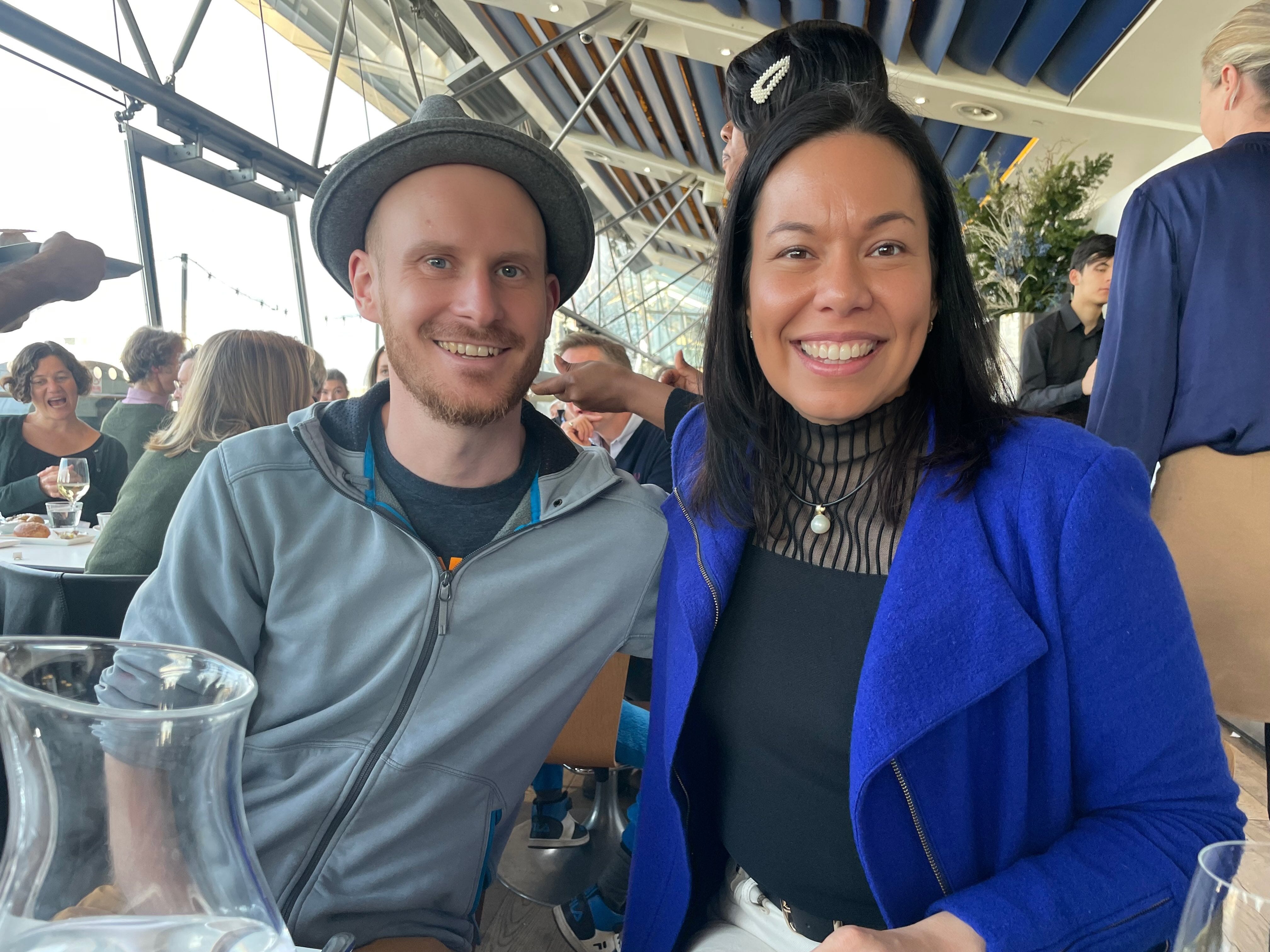
We talk Risk Ramps, choice, quieter participants, TEDx lessons, and why the small moments before a session starts matter more than most facilitators realise.
Sign up to hear about his new book here: https://campfiremethodbook.com/
Watch the interview on YouTube or listen on the First Time Facilitator podcast.
🌴
If you’re celebrating Good Friday and the Easter weekend, may it bring you peace, reflection, and forgiveness.
Leanne “Constructively delusional” Hughes
P.S. If this lands for you today, tap the heart 💙. That little click helps my ideas reach the next person who needs it.